
GIA Approved Diamonds: Understanding Diamond Grading and Birthstones
Author: Ujjwal Mehta Date: 28-October-2026
Jewellery often holds a special place in our lives. A diamond ring may mark an engagement, a pair of earrings may celebrate a personal achievement, or a gemstone pendant may become a treasured birthday gift. Beyond its appearance, the right piece carries a memory that stays with us for years.
When choosing fine jewellery, it is worth considering two things: the quality of the stones and the meaning behind them. Understanding diamond grading can help you make a more informed purchase, while exploring birthstones can make a piece feel more personal. At Carat Craft, diamond and gemstone jewellery brings these two aspects together through thoughtful design and careful craftsmanship.
Understanding the Value of GIA Approved Diamonds
A diamond can look beautiful at first glance, but there is more to its quality than sparkle alone. Its cut, colour, clarity and carat weight all influence its appearance and characteristics. This is where the Gemological Institute of America (GIA) comes in.
GIA is an independent gemmological organisation known for its diamond grading standards. Rather than using the term “approved”, GIA examines eligible diamonds and issues grading reports that describe their characteristics. These reports give buyers reliable information to consider before making a purchase.
When shopping for GIA Approved Diamonds, it is important to ask for the relevant GIA grading report and check that its details match the diamond being offered. This gives you a clearer understanding of what you are buying, rather than relying on appearance or a sales description alone.
The Four Cs: What to Look for When Buying a Diamond
The four Cs are a useful starting point when comparing diamonds. Each one describes a different aspect of the stone.
1. Cut
Cut affects how a diamond interacts with light. A well-cut diamond can reflect light beautifully, giving it the sparkle many people look for. The shape of a diamond, such as round, oval, pear or emerald, also influences the overall look of a jewellery design.
2. Colour
For colourless diamonds, grading measures the absence of colour. Differences between grades may be subtle, but they can affect the diamond's appearance and price. The best choice depends on your preferences, budget and the setting in which the stone will be placed.
3. Clarity
Clarity refers to the natural internal features and surface characteristics of a diamond. Many diamonds contain tiny inclusions or blemishes that are not easily visible without magnification. A grading report helps explain these characteristics and allows buyers to compare stones more confidently.
4. Carat Weight
Carat measures a diamond's weight, not its physical size alone. Two diamonds with the same carat weight may look different depending on their shape, cut and proportions.
These factors work together. A larger diamond is not automatically the best choice, just as the highest grade in one category does not necessarily make a stone the right one for every buyer. The aim is to find a balance that suits your taste and budget.
Choosing Jewellery That Reflects Your Style
Diamond jewellery does not have to be reserved for major celebrations. A delicate pendant, understated earrings or a simple ring can become part of your everyday wardrobe. For special occasions, a more detailed design or a striking centre stone may feel just right.
Think about how the jewellery will be worn. Someone who prefers minimal accessories may appreciate a clean, classic design, while someone who enjoys colour may be drawn to gemstone settings or distinctive combinations of stones.
It is also worth considering the setting, metal, comfort and maintenance requirements. A beautiful piece should not only look good in a display case; it should suit the person who will wear it.
At Carat Craft, the focus is on diamond and gemstone jewellery, including designs that celebrate individual preferences and meaningful occasions. Taking time to explore different styles can help you find a piece that feels right long after the occasion has passed.
Birthstones by Month: Understanding Each Gemstone
Some gifts are chosen for their beauty, while others are chosen for the story behind them. Birthstone jewellery offers both. Each month is associated with one or more gemstones, making it a thoughtful option for birthdays, anniversaries and personal milestones.
Exploring Birthstones By Month can also help you discover colours and gemstones you may not have considered before.
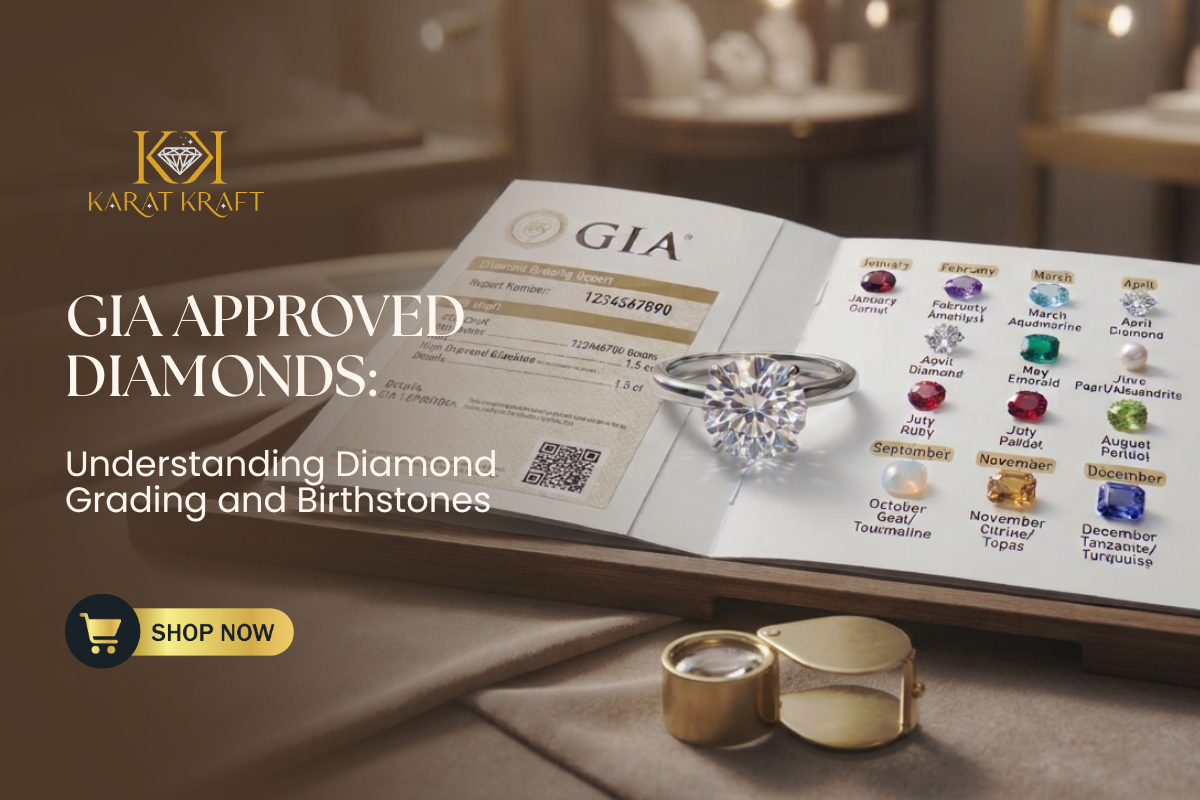
Here is a quick guide to the traditional and commonly recognised monthly associations:
January – Garnet: Often associated with protection, friendship and strength.
February – Amethyst: Known for its purple colour and associations with calm and clarity.
March – Aquamarine: Its soft blue tones bring to mind the sea and serenity.
April – Diamond: A popular choice associated with love, strength and lasting commitment.
May – Emerald: Valued for its rich green colour and associations with renewal and growth.
June – Pearl and Alexandrite: Pearl offers understated elegance, while alexandrite is admired for its colour-changing appearance.
July – Ruby: Its vivid red colour is often linked with passion and courage.
August – Peridot and Spinel: Peridot is recognised for its fresh green colour, while spinel comes in a range of attractive shades.
September – Sapphire: Best known for blue varieties, sapphire is also found in other colours.
October – Opal and Tourmaline: Opal has a distinctive play of colour, while tourmaline offers an impressive range of hues.
November – Topaz and Citrine: Warm golden and yellow shades make these gemstones appealing choices.
December – Turquoise, Tanzanite and Zircon: These stones offer a variety of blue tones and distinctive looks.
Birthstone traditions vary, and some months have several recognised gemstones. The list is a starting point rather than a strict rule.
Making Birthstone Jewellery Your Own
A birthstone does not need to be chosen solely because it corresponds to someone's birth month. Colour, personal taste and the occasion matter just as much.
A gemstone pendant can make a thoughtful birthday present, while a ring or pair of earrings can become a personal keepsake. You could choose your own birthstone, select a partner's gemstone or combine stones to represent family members.
When selecting gemstone jewellery, ask about the stone's identity, any treatments, care requirements and the details of its setting. Gemstones differ in hardness and durability, so the right care depends on the particular stone and design.
At Carat Craft, the birthstone collection offers a way to explore jewellery with a personal connection. Whether you prefer a subtle accent or a colourful centrepiece, the most meaningful choice is one that feels suited to the wearer.
Bringing Quality and Personal Meaning Together
Diamond and gemstone jewellery can mark different moments in life, from engagements and anniversaries to birthdays and everyday milestones. A grading report can help you understand a diamond's characteristics, while a birthstone can add a personal touch to a design.
Before buying, consider your budget, the intended use of the jewellery, the stone's documentation and the style you want. These practical details make it easier to choose a piece you will enjoy wearing or giving.
Conclusion
Choosing fine jewellery is about more than finding something attractive. It is about understanding the stone, appreciating the craftsmanship and selecting a design that means something to you. With careful attention to diamond grading and the personal appeal of gemstones, Carat Craft helps you explore jewellery for life's meaningful moments.
Explore the Carat Craft collections to find a diamond or gemstone design that suits your style and the occasion: https://www.karatkraft.com/
Frequently Asked Questions
1. What are GIA Approved Diamonds?
The phrase is commonly used by jewellery shoppers, but GIA technically grades diamonds and issues grading reports rather than approving or certifying them. A GIA report describes the diamond's characteristics and can help buyers make informed comparisons.
2. How can I check a GIA diamond grading report?
Look for the report number and use GIA's official Report Check service to verify the available details. Ask the jeweller to help confirm that the report corresponds to the diamond you are considering.
3. What are the four Cs of diamond quality?
The four Cs are cut, colour, clarity and carat weight. Together, they provide a useful framework for understanding and comparing diamond characteristics.
4. How do I choose a birthstone for a gift?
You can start with the recipient's birth month, favourite colour or personal preferences. A birthstone associated with a special date or family member can also make the gift more meaningful.
5. Can birthstone jewellery be worn every day?
Many birthstone designs are suitable for regular wear, but durability depends on the gemstone, setting and how the jewellery is used. Follow the recommended care instructions and remove delicate pieces during activities that could damage them.
6. Where can I explore diamond and birthstone jewellery in Malaysia?
You can explore the diamond and gemstone jewellery collections on the Carat Craft website at https://www.karatkraft.com/ or contact the team to discuss available designs and appointments.